Sacred Smoke: The Artisan Mezcaleros of Oaxaca
Published November 02, 2024 • By Gastronomy Desk 111111
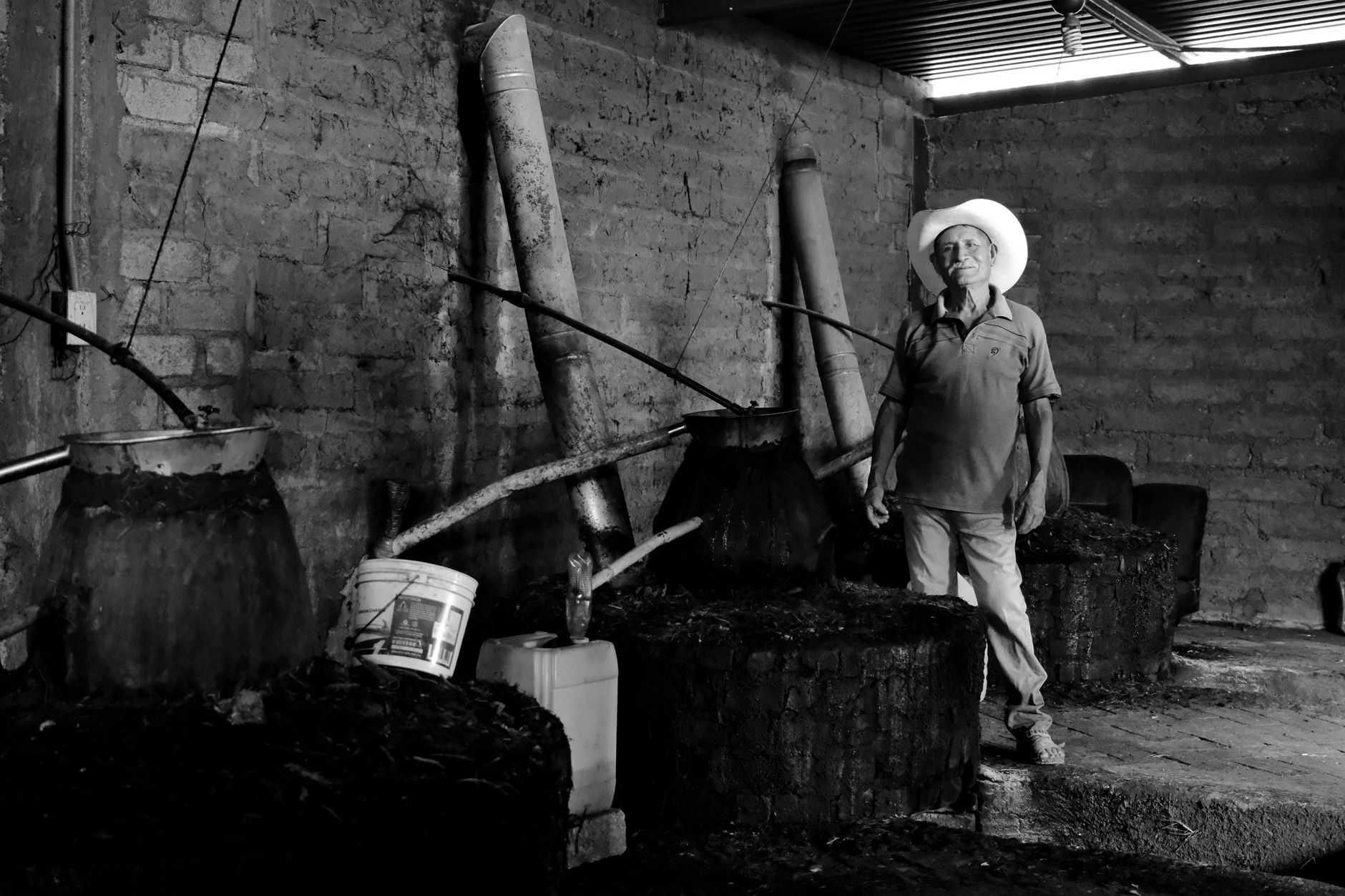
Table of Contents
1. The Living Heritage of Agave
In the quiet valleys of Santa Catarina Minas, three hours south of Oaxaca City, the air smells perpetually of caramelized sugars, roasted agave hearts, and sweet mesquite smoke. Here, mezcal is not an export trend; it is a sacramental thread connecting indigenous Zapotec communities to their arid soil.
Unlike commercial tequila operations, ancestral palenques harvest agaves that have absorbed sunshine for 12 to 25 years. Varieties like Tobalá, Tepeztate, and Arroqueño grow along precarious limestone ledges, harvested by hand using machetes.
“We do not rush the plant. When an agave takes a quarter of a century to blossom, our process must honor its patience.”
2. Earth Pits, Oak Fire, and Clay Stills
The cooking process involves volcanic stone-lined subterranean pits, covered with banana leaves and rich mountain soil. After roasting for five days, the piñas are crushed using wooden mallets inside canoe-shaped oak trunks, followed by open-air fermentation in pine vats with airborne wild yeasts.
Distillation takes place in twin clay pots (ollas de barro). The vapor condenses on bamboo collection tubes, yielding a spirit with mineral clarity, floral undertones, and gentle vegetal sweetness.
3. Botanical Tasting Profiles
When sipping artisanal mezcal, one never uses shot glasses. Small shallow clay gourds (jícaras) allow the spirit to breathe. Notes of dried plum, damp clay, pink peppercorn, and wild thyme reveal themselves in slow layers.
4. Ethical Travel & Respecting the Maestros
Always travel with certified bilingual local liaisons. Purchase bottles directly from the families at fair value rather than commercial boutiques, and never photograph ancestral ceremony without explicit permission.
Curate a Mexican Culinary Residency
Receive our curated dossier on boutique stays in Oaxaca City and private palenque visits.
Request Culinary Guide